
This post may contain affiliate links, which means I may earn a small commission if you make a purchase or sign up through any of the links on this website, at no extra cost to you. View disclaimer for more information.
I’ve called Chiang Mai home for almost ten years now. I’m a Filipina-American from Chicago who runs a design business from northern Thailand, alongside my British partner Pete and our Siamese cat Bandit, who tolerates us both.
Here’s the short version, because you came here for answers. Living in Chiang Mai is affordable, easy to settle into, and much harder to leave than anyone admits. A modern one-bedroom apartment runs roughly $300 to $500 a month. A street food dinner costs a dollar or two. The internet is faster than what I had in Chicago. And it is not paradise year-round: from late February to April, smoke season makes the air quality some of the worst on the planet, and most blog posts conveniently skip that part.
This is the guide I wish someone had handed me before I moved. Not the three-month nomad version. The version you only learn by staying.
Every “cost of living in Chiang Mai” post gives you a spreadsheet written after a six-week stay. The numbers below are the current going rates, and then I’ll tell you what I actually spend.
A studio or one-bedroom in a modern building near Nimman or the Old City costs $300 to $500 a month. Landlords usually want a two-month deposit, and you can negotiate the rate down on six-month or year-long contracts. Always negotiate. The listed price is the tourist price.
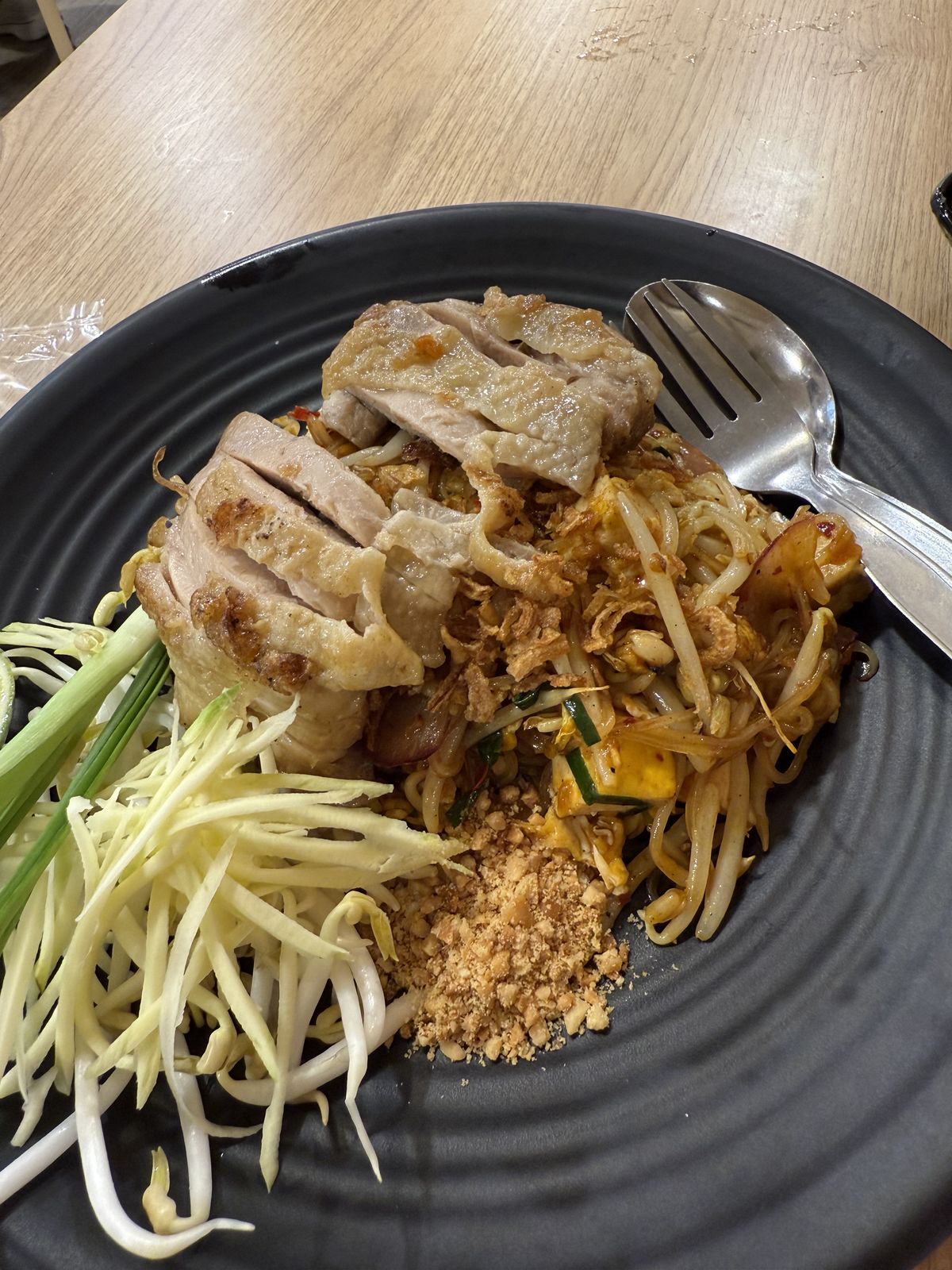
Food is where Chiang Mai spoils you. Street food meals start around a dollar. A proper sit-down restaurant dinner is $2 to $7. Western food costs Western prices, which is the fastest way to blow a budget here.
Fiber internet from True or AIS gets you 300 to 1,000 Mbps for $20 to $35 a month. A scooter rental is about $80 a month. Coworking memberships run around $100.
Pete and I spend somewhere between $1,500 and $2,000 a month as a couple, and that covers everything: rent, food, eating out, coworking, all of it. Split two ways, that’s a hard number to beat anywhere in the West.
One money tip I give everyone: don’t move abroad on your home bank account. The ATM fees and exchange markups quietly eat hundreds a year. I point every friend to Wise for holding baht and transferring between currencies at the real exchange rate. It’s the difference between paying the rate you see on Google and paying whatever your bank feels like that day.
And if you want to test the living-abroad thing before signing a lease anywhere, look at TrustedHousesitters. You watch someone’s pets, you stay for free, and you find out whether you actually like a city before committing to it. As someone whose cat runs the household, I respect the model.
Nobody structures their Chiang Mai guide around the seasons, which is wild, because the seasons decide everything: when to visit, when to move, when to leave.
Cool season (November to January) is the good stuff. Blue skies, 15 to 28 degrees, festival season. This is when Chiang Mai earns its reputation. If you’re moving here, arrive in November. You’ll get three months of the best version of the city while you set up your life.
Hot season (March to May) is 35 to 40 degrees and no shame about it. You learn the routes between air-conditioned places.
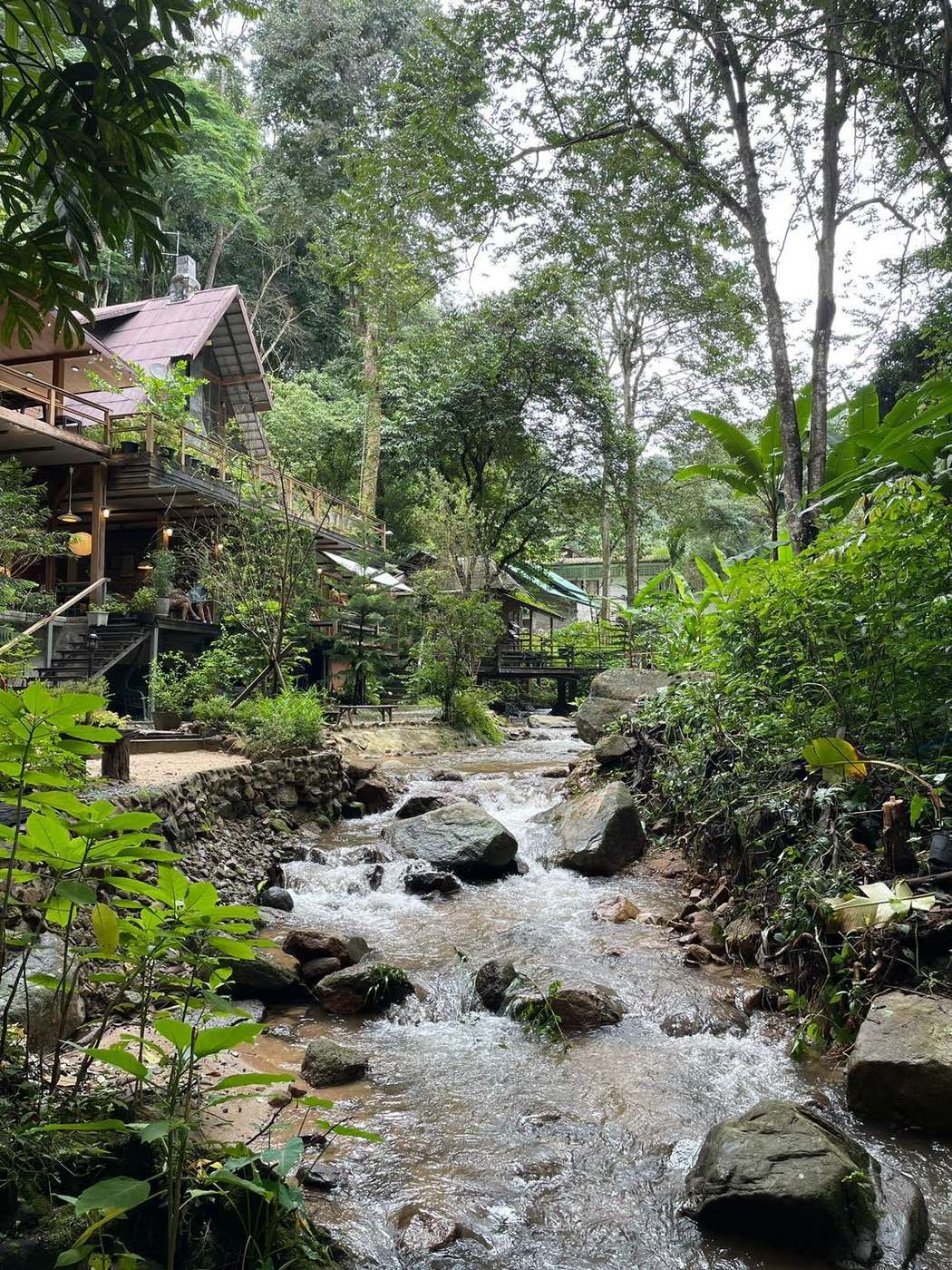
Rainy season (June to October) is underrated. It rains hard for an hour most days, usually in the afternoon, and then stops. Everything turns green. It’s my favorite stretch after cool season.
Burning season (late February to April) is the one they don’t put on the postcards. Farmers across the region burn crop fields, and the smoke sits in Chiang Mai’s valley for weeks. The AQI regularly hits numbers that would make headlines back home. It overlaps hot season, which makes it worse.
Long-termers handle it in one of two ways: leave town for the worst weeks, or seal up at home. If you stay, a proper HEPA air purifier is not optional. One per bedroom, minimum.
Pete and I have done both. Some years we seal up the house and run the purifiers. Other years we leave town for the worst of it. We play it by ear, because the season doesn’t keep a schedule: some years the burning starts early, some years late. If your life lets you stay flexible, do that. And if you’re only visiting Chiang Mai, don’t book those months at all.
We’ve lived in a few different corners of this city over the years, and the honest answer is that the right neighborhood depends on what you’re optimizing for.
Nimman (Nimmanhaemin) is the best for pure accessibility. Cafes, coworking spaces, condos, the mall, all walkable. It’s also the most expensive and the least Thai-feeling. Most people start here. Plenty never leave.
The Old City is the charming square on the map, wrapped in a moat. Temples, guesthouses, tourists. Lovely to walk through, and most long-termers end up living outside it.
Santitham, just north of the Old City, is where people go once they decide to stay. Cheaper rent, local markets, fewer tourists, ten minutes from everything by scooter.
Suthep, out by the university and the mountain, is quieter and greener, with better rent for the space. You’ll want a scooter.
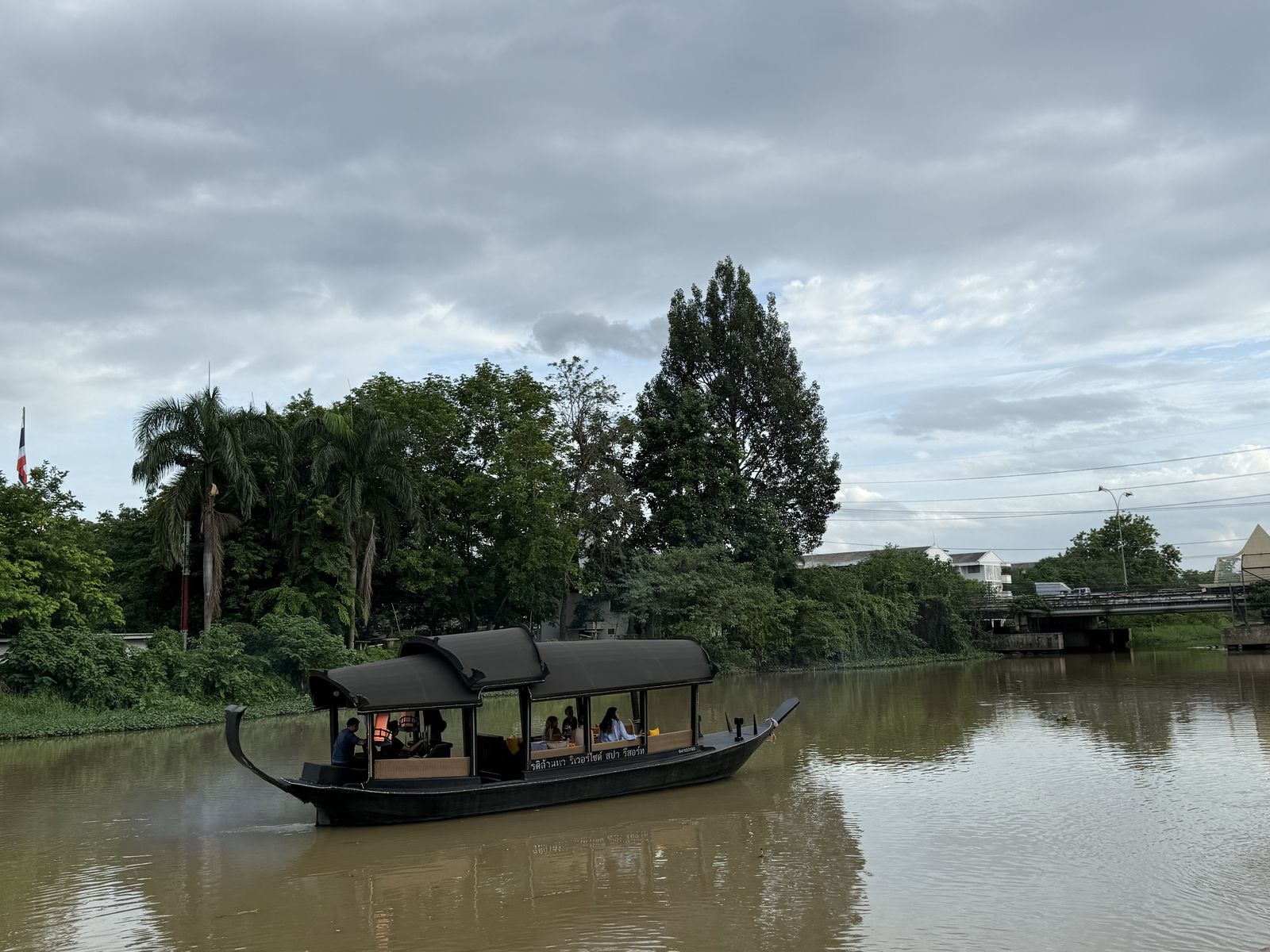
Wat Ket, on the east bank of the river, is the underrated one. Old teak houses, riverside cafes, a slower pace, a little further from the coworking core.
Chang Phueak, north of the moat, is local and budget-friendly, with the north gate night market’s food stalls basically on your doorstep.
My honest advice: book a month somewhere cheap, then find your real apartment on the ground. Facebook groups and walking into buildings beat every rental website here.
I won’t pretend visa rules stay still long enough for a blog post to be reliable. They don’t. What I can tell you after a decade: everyone who lives here long-term builds their life around some visa strategy, it changes every few years, and you get used to it.
As of 2026 the big development is the Destination Thailand Visa (DTV), a long-stay option aimed at remote workers that finally gave nomads a realistic multi-year path. Rules, income requirements, and processing vary, so check the official Thai embassy site for your country before you plan anything around it. Treat any blog’s visa section, including this one, as a starting point and not the law.
The practical version: getting here on a tourist entry is easy. Staying is a paperwork hobby you slowly get good at.
The remote work setup here is better than almost anywhere I’ve been in Southeast Asia. The internet is fast and boringly reliable. Power cuts are rare. There’s a cafe with good wifi and better iced coffee every hundred meters, and the coworking scene has been mature for a decade.
The real challenge is the time zone. Thailand runs 11 or 12 hours ahead of Chicago depending on daylight saving. If your clients or team are in the US, your overlap window is early morning or late evening, and you have to protect your sleep like it’s a business asset. Building my agency from here taught me to front-load communication and stop apologizing for the time difference.
The community is the other half of working here. Chiang Mai attracts people building things: designers, developers, writers, founders of tiny weird internet businesses. If you want to find your people, they’re here. Which brings me to the catch.
Everyone leaves. That’s the real tax on living in a nomad hub. You meet someone great, and in three months they’re in Lisbon. After a few rounds of that you learn to invest in the other long-termers, and they become something closer to family. But the churn never fully stops stinging.
Being far from family is the other one. Chicago is literally the opposite side of the planet, and the flights are long and not cheap. You miss things. Weddings, birthdays, ordinary Sundays. Video calls patch maybe half of it.
And moving anywhere new, even somewhere as friendly as Thailand, will test you socially. I wrote about moving to a new country with social anxiety because the version of moving abroad where you confidently walk into meetups on week one is fiction for a lot of us.
People always ask what I got wrong in year one. I’ve thought about it, and the only real mistake I can point to is not moving here sooner.
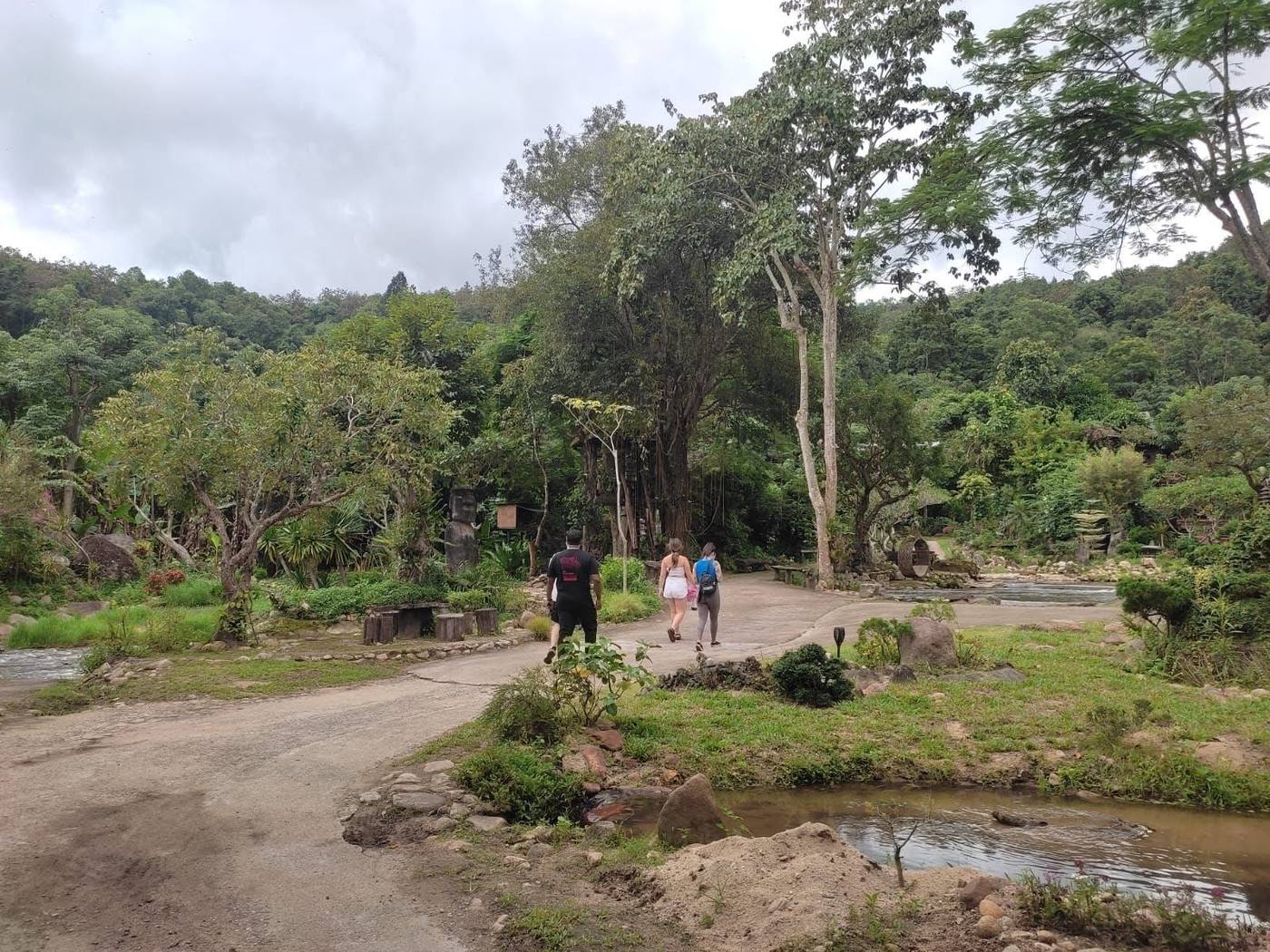
In a heartbeat. Chiang Mai gave me a life I could not have afforded to build in Chicago: a business, slow mornings, travel across Southeast Asia on weekend-trip budgets, and enough quiet to figure out what I actually wanted.
But I’d skip it if you need big-city energy, beach access, or nightlife past midnight. That’s Bangkok, or the islands. Chiang Mai is a small, calm, mountain city that rewards people who like routines. The people who hate it here usually wanted a different city, not a different Chiang Mai.
If you’re coming to scope it out first, my Thailand packing list for women covers what to bring, and how to afford traveling covers the money side of making a trip like this happen at all.
A comfortable single-person budget with a private modern apartment, eating out daily, and a scooter lands around $1,000 to $1,500 a month. Frugal setups can run $650 to $750. Couples share rent, so per-person costs drop.
It’s one of the safest cities I’ve lived in, including for solo women. Petty scams exist and traffic is the biggest real danger, especially on scooters. I cover the wider topic in my female travel safety guide.
November. You arrive at the start of cool season and get the city at its best while you settle in. The worst time is late February, right as burning season starts.
No, but learn some anyway. You can function in English in the expat bubble. Even taxi-level Thai (numbers, food, directions, please and thank you) changes how the city treats you.
Yes. Private hospitals here are excellent and affordable by Western standards, but a serious accident without cover can still ruin you. SafetyWing Nomad Insurance is the standard among long-term nomads here and the one I point friends to first.
Check out some of my favorite tools and companies I actually use when I travel.
Need a Bank Account for Life Abroad? Wise is the best option for travelers, study abroad students and expats. I use it as my everyday checking account since it lets me hold and spend in multiple currencies without getting hit with a bad exchange rate every time I cross a border.
Want to Travel for Free & Skip the Foreign Transaction Fees? I put my spending on my Chase Sapphire Preferred card and let the points cover flights and hotels I'd otherwise be paying for out of pocket. I've been able to use the points I earn on this card to pay for flights, hotels and meals all around the world!
Please Don't Forget Travel Insurance! Travel insurance protects you against illness, injury, theft, and cancellations. I never go on a trip without it. My two favorites are:
Need a Flight? I personally love using Google Flights to track prices and compare dates before I commit, the flexible date view alone has saved me a lot of money. Skyscanner is another great search engine to find cheap flights because it searches sites and airlines around the globe, so you know no cheap deal is being left on the table.
Getting Around Southeast Asia? Book your buses, trains, and ferries with 12Go Asia. One search shows you every route and price, so you're not digging through ten different local booking sites.
Need a Place to Stay? Book your hotel with Expedia, where I start looking, especially when I want to bundle flights and stays together. Hotels.com is my backup when I want to compare prices or I'm chasing their rewards program for a free night.
On a Tighter Budget? Hostelworld is where I go for hostels. It has the largest inventory out there, and you can search for dorm beds or private rooms depending on what you're after!
Want a Free Way to Travel? Try TrustedHousesitters! You look after someone's home and pets while they're away, and in exchange you get free accommodation (minus the subscription fee). It's a great option if you're traveling long term and want to cut costs. I personally use this as a host and a sitter, and it's truly great!
Need Inspiration or Just Want to See What's Out There? Go Guides is a solid resource for destination guides, must-see landmarks, local markets, best beaches, and things to do, browsable by place or by theme. It's a good stop whether you already know where you're headed or you're still looking for your next destination.
Check out my full packing gear guide for everything I bring on international trips, or browse my favorite travel finds on Amazon for quick links to it all.
Check out my full resource page for every company I use when I travel. I list them all in one place so you can go from planning to booked without digging through old blog posts!

Hey there, I'm Angelique!
I'm a Filipina-American, Chicago native living abroad and running my online design agency from Chiang Mai, Thailand. Over a decade of traveling in, and yes, I still pinch myself. With family split between the US, UK, and SE Asia, travel has always been part of my story. This blog is where I share the honest side of living and traveling abroad, the places I explore, my best study abroad tips from personal experience, and the little hacks that make this life actually work. Glad you're here, friend!
Studying abroad soon?
everything to sort before you go, in one printable page.


I share what I'm actually doing, where I'm going, and the things I wish I'd known before I booked the flight. No spam, just the good stuff that you'll actually enjoy reading.