
This post may contain affiliate links, which means I may earn a small commission if you make a purchase or sign up through any of the links on this website, at no extra cost to you. View disclaimer for more information.
The Philippines is not a regular backpacking destination. You’re not hopping on overnight buses between cities.. Instead you’re hopping on bangka boats between islands, getting soaked, snorkeling before breakfast, and drying off just in time to do it all again. What to bring to the Philippines is a very different question than what to pack for most other countries in Southeast Asia.
I’m also going to be upfront: as a Filipina-American, the Philippines has a very specific place in my heart. I’ve been visiting this beautiful country my whole life in some capacity, and I’ve also done it as a solo traveler with a backpack and a loose itinerary. This philippines packing list is built for both — whether you’re doing two weeks island hopping or a longer backpacking philippines trip through Palawan, Siargao, Cebu, and beyond.
The golden rule for packing for the Philippines: if it can’t survive getting wet, leave it at home. Everything else follows from that. I also put together a full Southeast Asia packing list on my Amazon storefront here if you want to see exactly what I’d bring!
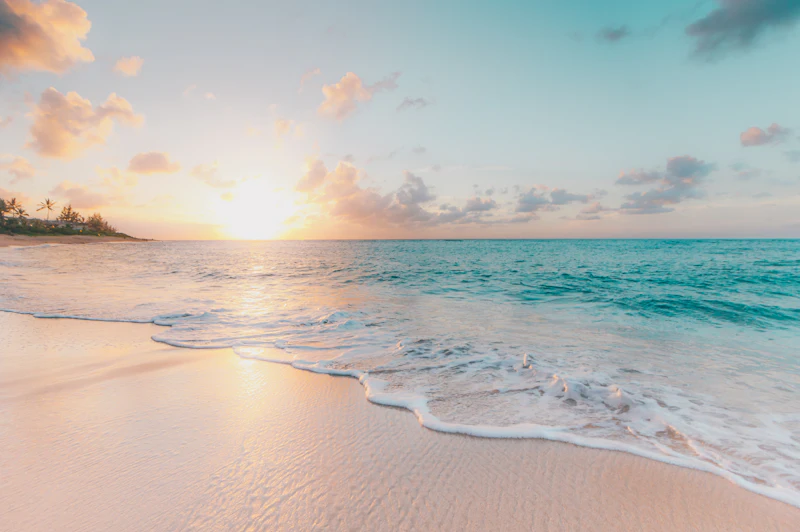
Think: beach-ready, breathable, and conservative enough for the province.
What people wear in the Philippines is a mix of beach-casual and respectful coverage depending on where you are. The islands are hot and humid year-round, but the Philippines is also a deeply Catholic country — what you wear to a beach in Boracay is very different from what you’d wear visiting a town’s church or attending a local fiesta. I’d suggest packing for both!
I understand you’re going to the Philippines to be in a tropical destination and get a tan, but this is the single most important clothing item on this philippines packing list. You will be on open water, on boats, on snorkeling trips, and on beaches where the sun reflects off the water and burns you twice as fast. The sun is no joke and take it from someone who’s gotten sun poisoning and heat stroke! A long-sleeve rash guard protects your arms and shoulders without sunscreen that washes off in the sea. It also doubles as a coverup walking through smaller towns. I wear mine almost every single day in the Philippines.
Pack two to three pairs of lightweight quick-dry shorts. They’ll be on you from morning island hops to evening street food runs. Avoid denim or anything that takes forever to dry because you will get wet — intentionally or not — and you don’t want to be sitting in damp fabric for the rest of the day. Linen shorts also work well for evenings and more local areas.
Same rule as everywhere in Southeast Asia: neutrals, breathable fabrics, loose fit. For the Philippines specifically, bring one or two tops that cover your shoulders for visiting churches and more conservative provincial towns. Cotton and linen both work — synthetic fabrics can hold onto ocean smell faster than natural ones in the humidity. Four to five tops is plenty when laundry services are cheap and everywhere.
What do people wear in the Philippines when visiting churches, markets, or provincial areas? Something that covers the shoulders and knees. A lightweight coverup dress or wrap maxi skirt does this without adding any significant weight to your bag. It works over a swimsuit for island hopping lunch stops, over shorts for church visits, and on its own for evenings out. One is enough.
Unlike most other destinations where one swimsuit is fine, in the Philippines you’ll genuinely want two or three — ideally at least one one-piece or more secure bikini for snorkeling and boat trips where you’re actually in the water and moving around. Swimwear in the Philippines doesn’t always dry overnight in humid conditions, especially if you’re somewhere with limited airflow. Having a backup means you’re never starting the day in a damp swimsuit.
The Philippines requires a different sandal than most destinations. You need something that can handle boat boarding, slippery dock ladders, waterfalls, and full beach days without falling apart or becoming a safety hazard. Teva and Chaco are both built for this — they strap securely, have actual grip on wet surfaces, and dry completely in a few hours. Birkenstocks don’t make the cut here; they’re too slow to dry and lose their grip when wet.
For guesthouses, hostel showers, and anywhere you don’t need real support. Pack cheap ones — not your nicest pair, because sand, saltwater, and boat floors destroy flip flops fast. Havaianas are a solid standard and widely available throughout the Philippines if yours give up mid-trip.
For hike days, motorbike rentals, and any inland adventure that requires actual grip. If you’re doing the Chocolate Hills in Bohol, any waterfall trek in Cebu, or volcano hikes in Camiguin, you want closed-toe shoes. Trail runners are a better choice than regular sneakers because they drain and dry faster when they inevitably get wet.
Island hopping in Palawan is one of the most extraordinary things you can do in the Philippines. Photo: Unsplash
This section is specific to the Philippines and completely unique on any packing list for the Philippines. Island hopping on bangka boats is the backbone of the backpacking philippines experience, and it requires a specific set of gear that most generic travel lists won’t mention.
The most essential item on this entire philippines packing list, full stop. When you board a bangka boat for island hopping, your bag is not in a waterproof hold — it’s on the boat, exposed to waves and spray and rain. Everything you care about goes in the dry bag: phone, camera, passport copy, cash, and anything electronic. A 10L is enough for a day trip; go up to 20L if you’re doing multi-day island hopping. I use the Sea to Summit Ultra-Sil and it’s been on every Philippines trip I’ve done.
This is non-negotiable in the Philippines. Many protected marine areas around Palawan, Tubbataha, and Apo Island prohibit chemical sunscreen to protect the coral reefs, and rangers will check. Reef-safe mineral sunscreen (zinc oxide or titanium dioxide based) is what you need. Bring enough from home because reef-safe options are hard to find locally and expensive when you do. Apply generously and reapply after every swim — the tropical sun will get you faster than you expect.
The snorkeling in the Philippines is some of the best in the world — sea turtles in Apo Island, neon coral gardens in Coron, whale sharks in Oslob. You will regret not having a waterproof camera. A GoPro Hero in a dive housing is ideal, but even a basic waterproof point-and-shoot captures far more than your phone can handle underwater. This is one item where the Philippines specifically justifies the investment if you don’t already own one.
Bangka boats are small, open, and bounce significantly in open water. Even people who don’t usually get seasick find themselves struggling on rougher crossing days between islands. Dramamine, Bonine, or scopolamine patches all work — figure out what works for your body before you go rather than during a 45-minute crossing to El Nido. The Bonine patches go behind your ear and last 72 hours, which is useful for multi-day trips. Pack more than you think you need.

Go bigger than you think you need for the Philippines. Many smaller islands have limited or unreliable electricity — some guesthouses in places like Coron or remote Palawan have generator power only for certain hours. A 20,000mAh bank can charge your phone five or six times, which matters when you might go a full day without a reliable outlet. It’s heavier than a standard bank but worth it specifically for island hopping trips.
Even with a dry bag, having a waterproof pouch for your phone specifically means you can use it on the boat, take photos in the water, and not panic every time a wave hits. The simple float-style pouches that hang around your neck work perfectly and cost almost nothing. Get one that’s rated for snorkeling depth (at least 30 meters) if you plan on taking it underwater. This is one of the best purchases you can make for what to bring to the Philippines from the US before you fly.
When you’re unpacking and repacking at a new island guesthouse every few days, packing cubes are the only thing standing between you and total chaos. One for clothes, one for swim gear, one for tech and cables — everything has a place and you can find it in the dark. I use the Away set and it makes every island check-in infinitely smoother.
The Philippines uses Type A and Type B sockets (same as the US), so if you’re coming from the States your plugs will work without an adapter. If you’re coming from elsewhere or want USB-C ports built in, grab a universal adapter before you leave. Power surges on island generators can occasionally damage electronics, so a surge-protected adapter is worth the upgrade.
Some of the more protected island areas in the Philippines require biodegradable toiletries — and even where it’s not enforced, it matters given how fragile the marine environment is. Solid bars are the easiest to travel with: no liquid restrictions, they last ages, and they don’t leak in your bag. Ethique and Dr. Bronner’s both have options that work in salt water and on the road.
Dengue is present throughout the Philippines, particularly in rural and forested areas. Apply DEET repellent every evening and any time you’re in jungle, rice field, or mangrove areas. Bring a travel-size from home and restock at any pharmacy or convenience store on the mainland — it’s cheap and easy to find. Don’t skip this because you’re staying in beach resorts; mosquitoes operate at dusk and dawn regardless of accommodation type.
The Philippines is hot and humid year-round, and island hopping days under the sun dehydrate you faster than you realize. Keep electrolyte packets in your day bag and take them proactively, not just when you’re already feeling rough. Oral rehydration salts are worth packing separately as the more medicinal option for when the heat or stomach adjustment period catches up with you. 7-Elevens on the mainland stock electrolyte drinks, but smaller islands may not.
Pack blister plasters, antiseptic wipes, ibuprofen, anti-diarrhea tablets, antacids, and antihistamines. Add antifungal cream to the list for the Philippines specifically — the humidity and constant moisture create conditions for skin issues that don’t happen as much in drier climates. Pharmacies are available in every city and most major towns, but smaller islands and remote areas have very little. Stock up on the mainland before you head out.

Cash note: Many smaller islands in the Philippines are entirely cash-based with no ATMs. Withdraw enough Philippine pesos on the mainland before you take boats out to remote areas. This is one of the most commonly forgotten things to bring to the Philippines from the USA — assuming cards work everywhere. They often don’t once you leave the city.
For the Philippines specifically, a waterproof document pouch is more essential than a regular money belt because your bag will get wet. Keep your passport, backup cash, emergency card, and travel insurance details in a waterproof pouch inside your dry bag. You should never have your actual passport on your person during island hops — leave it at your guesthouse and carry a photocopy instead.
Scan your passport and save it to Google Drive before you leave, and email a copy to yourself as a backup. Print at least one physical copy and store it separately from your actual passport. Some island guesthouses will ask to hold your passport at check-in — always offer the copy instead. Philippine immigration can also occasionally ask for documentation at ferry ports between island groups.
Get travel insurance before you go, and make sure your policy covers water activities if you’re snorkeling, diving, or doing any boat-based excursions. Medical facilities on smaller islands are extremely limited, so evacuation to Manila or Cebu City is the reality if anything serious happens, and it’s not cheap without insurance.
Travel insurance also protects you against illness, injury, theft, and flight/boat cancellations. My two favorites are:

Even resorts in the Philippines don’t always provide pool or beach towels, and budget guesthouses rarely do. A microfiber travel towel dries in thirty to forty minutes even in the humidity, packs down to the size of a water bottle, and doubles as a beach mat when you don’t want to lie directly on the sand. You’ll use this daily in the Philippines more than almost anywhere else.
Tap water is not safe to drink throughout most of the Philippines, and plastic bottle waste is a significant environmental issue across the islands. An insulated bottle keeps your water cold for hours in the heat, which matters more than you’d think on a boat under the midday sun. Most guesthouses and resorts have refill stations — ask when you check in. Staying properly hydrated during a full packing for Philippines island hopping itinerary is genuinely one of the most important things you can do for your energy and health.

The philippines packing list for island hopping is as much about what you don’t bring as what you do. Here’s what doesn’t earn its space:
Planning your Southeast Asia route? The Philippines fits perfectly at the start or end of a longer trip through the region. Check out my 3 Month Banana Pancake Trail Guide or my full Southeast Asia backpacking route guide for how to connect it with Vietnam, Thailand, and beyond. And if Vietnam is on your list too, the women’s packing list for Southeast Asia has the full regional breakdown.
The Philippines rewards travelers who come prepared and pack smart. The packing list for the Philippines is genuinely different from anywhere else in Southeast Asia because of the water — the island hopping, the boat crossings, the ocean-focused days. Get the dry bag, the reef-safe sunscreen, and the motion sickness tablets sorted before you leave, and the rest falls into place.
The islands here are some of the most extraordinary places I’ve ever been. Palawan, Siargao, the Visayas — the Philippines has a way of making you extend your trip by two weeks and rebook a flight back six months later. Pack light, bring what matters, and trust the process.
Got questions about specific islands or what to bring to the Philippines for a particular itinerary? Drop them in the comments!
Check out some of my favorite tools and companies I actually use when I travel.
Need a Bank Account for Life Abroad? Wise is the best option for travelers, study abroad students and expats. I use it as my everyday checking account since it lets me hold and spend in multiple currencies without getting hit with a bad exchange rate every time I cross a border.
Want to Travel for Free & Skip the Foreign Transaction Fees? I put my spending on my Chase Sapphire Preferred card and let the points cover flights and hotels I'd otherwise be paying for out of pocket. I've been able to use the points I earn on this card to pay for flights, hotels and meals all around the world!
Please Don't Forget Travel Insurance! Travel insurance protects you against illness, injury, theft, and cancellations. I never go on a trip without it. My two favorites are:
Need a Flight? I personally love using Google Flights to track prices and compare dates before I commit, the flexible date view alone has saved me a lot of money. Skyscanner is another great search engine to find cheap flights because it searches sites and airlines around the globe, so you know no cheap deal is being left on the table.
Getting Around Southeast Asia? Book your buses, trains, and ferries with 12Go Asia. One search shows you every route and price, so you're not digging through ten different local booking sites.
Need a Place to Stay? Book your hotel with Expedia, where I start looking, especially when I want to bundle flights and stays together. Hotels.com is my backup when I want to compare prices or I'm chasing their rewards program for a free night.
On a Tighter Budget? Hostelworld is where I go for hostels. It has the largest inventory out there, and you can search for dorm beds or private rooms depending on what you're after!
Want a Free Way to Travel? Try TrustedHousesitters! You look after someone's home and pets while they're away, and in exchange you get free accommodation (minus the subscription fee). It's a great option if you're traveling long term and want to cut costs. I personally use this as a host and a sitter, and it's truly great!
Need Inspiration or Just Want to See What's Out There? Go Guides is a solid resource for destination guides, must-see landmarks, local markets, best beaches, and things to do, browsable by place or by theme. It's a good stop whether you already know where you're headed or you're still looking for your next destination.
Check out my full packing gear guide for everything I bring on international trips, or browse my favorite travel finds on Amazon for quick links to it all.
Check out my full resource page for every company I use when I travel. I list them all in one place so you can go from planning to booked without digging through old blog posts!

Hey there, I'm Angelique!
I'm a Filipina-American, Chicago native living abroad and running my online design agency from Chiang Mai, Thailand. Over a decade of traveling in, and yes, I still pinch myself. With family split between the US, UK, and SE Asia, travel has always been part of my story. This blog is where I share the honest side of living and traveling abroad, the places I explore, my best study abroad tips from personal experience, and the little hacks that make this life actually work. Glad you're here, friend!
Studying abroad soon?
everything to sort before you go, in one printable page.


I share what I'm actually doing, where I'm going, and the things I wish I'd known before I booked the flight. No spam, just the good stuff that you'll actually enjoy reading.