
This post may contain affiliate links, which means I may earn a small commission if you make a purchase or sign up through any of the links on this website, at no extra cost to you. View disclaimer for more information.
Trying to figure out how studying abroad actually works, the paperwork, the credits, the money, the logistics nobody explains clearly? You’re in the right place. Here’s the real process, not the version your school’s brochure gives you.
I studied abroad in Rome at 20, and going in, I genuinely did not understand half of the mechanics until I was already living them. Nobody sits you down and explains the whole thing start to finish, you piece it together from an advisor here, a form there, and a lot of asking other students who’d already gone. So here’s the version I wish someone had given me.
This post is all about how studying abroad actually works.
Studying abroad means enrolling in courses at a foreign university or program for a set period, usually a semester or a summer, while still working toward your home degree. It is not the same as just traveling or taking a gap year, you are still a student, still earning credits, still (mostly) doing the work, just somewhere else.
The confusing part for most people is that there is not one single way this happens. There are several different paths, and which one you end up on shapes almost everything else about the experience.

This is the part nobody explains clearly upfront: you are usually not applying directly to a foreign university the way you’d apply to college. Instead, you are choosing between a few different structures:
I went through a direct university exchange. My school, Marquette University, has a direct exchange with Loyola University Chicago’s Rome campus, John Felice. If you’re a first-time traveler, this kind of setup is genuinely a good entry point, it’s an American university operating in Rome, so there’s a built-in safety net of familiarity and support specifically for American students.
The honest trade-off: because it was an American university in Rome, it still felt very American. Looking back, I wish I’d pushed for a more immersive local experience. I have friends who went the third-party provider route instead, and it was a noticeably different experience. One friend who studied in Barcelona through a provider program was using Spanish constantly and had roommates from several different countries, a much more multicultural, immersive setup than mine.
So if you’re nervous about the whole thing, an American university abroad with an exchange program gives you a comfort and support system that’s specifically built for American students. If you want to actually be forced into the language and the culture, a third-party provider is usually the better bet.
This is the part that causes the most anxiety before you go, and honestly, the part that varies the most by school. In general, before you leave, you work with your academic advisor (and sometimes a separate study abroad office) to get your planned courses pre-approved for credit equivalency. You take the courses abroad, then your transcript gets sent back and mapped onto your home degree requirements.
I met with my study abroad advisor before I left and mapped out exactly which courses would transfer as credit. I ended up with five classes, around 15 to 16 credits: a theology class (a core curriculum requirement at my university, not something that counted toward my major), a finance class, a language class, a history elective, and one more I honestly don’t remember anymore.
Here’s the strategic move I’d actually recommend: if your university has core curriculum or general education requirements, the baseline classes everyone has to take that do not apply to your specific major, try to save some of those for your study abroad semester instead of knocking them out at home. Programs abroad often have genuinely fun, unique electives you cannot get on your home campus. There was a wine-tasting elective at my program in Italy, basically the art of winemaking, and I did not have enough free electives left in my schedule to take it. I still think about that. Plan ahead so you are not in the same position.
Beyond that, get it explicitly clear with your advisor that each course is a direct match to something you actually need to graduate, not just “credit in general.” I had a friend who thought she was taking a four-credit class that turned out to be worth three, and she didn’t find out until right before graduation that she was a full credit short. She ended up doing summer school after the fact to fix it. That’s exactly the kind of thing a five-minute conversation with your advisor beforehand prevents.

Money is the part that stresses people out most, and it’s more flexible than most students assume. If you’re on a direct exchange or provider program that your financial aid office has approved, your existing financial aid, loans, and even most scholarships typically still apply, you’re paying your home tuition (or the program’s cost, depending on the structure) rather than paying twice. Direct enrollment can work differently, sometimes you pay the foreign university’s tuition directly instead.
This is genuinely something to confirm with your financial aid office before committing to a specific program structure, since it changes the real cost meaningfully. I broke down the actual numbers, what a semester really costs and how to budget for it whether you’re self-funding or getting help from family, in this post.
Most programs want your application somewhere between 6 and 12 months before you leave, which surprises people who assume this is a last-minute decision. Between choosing a program, getting advisor approval, sorting a passport and visa if needed, and getting housing and flights sorted, the runway is longer than it feels like it should be.
I knew I wanted to study abroad by sophomore year, which mattered because of how housing worked at my school: you typically sign a full-year apartment lease as a junior. Since I was going abroad for a semester of that year, I rented for half the year and split the lease with another student who was studying abroad the other semester.
Most schools want you thinking about this at least a year out, though I’ve seen it go both ways, people who planned a year ahead and it worked out fine, and people who decided last-minute and made it work anyway, plus people who planned for months and then changed their mind entirely. If you can plan ahead, do it, especially if housing near your school or the program’s own housing tends to fill up fast.
This part depends heavily on which country you’re headed to, but there is almost always a visa piece, and it is not always finished before you leave. My university handled a lot of the visa paperwork with us ahead of time, but the actual visa itself wasn’t finalized until we landed. Sometime in the first week or two of my semester in Rome, an RA (the student staff member who manages dorm life) walked our whole group over to the local visa office to make sure everyone actually had a student visa that would cover the full semester.
That surprised me at the time. I assumed the visa would be fully sorted before I ever got on the plane, but for a lot of European countries, Italy included, part of the process happens locally, in person, after you arrive. Your study abroad office and your program should walk you through exactly what’s required for your specific destination, since the requirements genuinely vary by country, but do not assume paperwork submitted before you left means the process is fully done. Ask directly whether there is a local step you will need to complete once you land, and build that into your first couple of weeks rather than getting caught off guard by it.
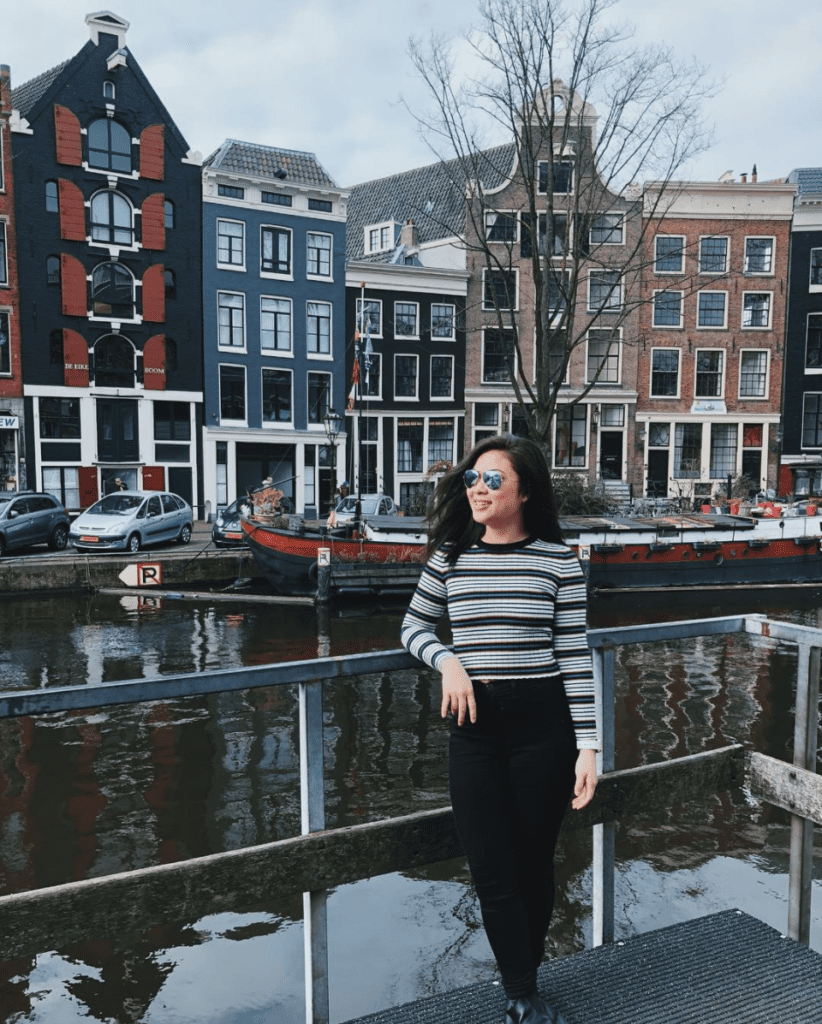
This is the part the brochures genuinely cannot capture. Rome, for me, was not the postcard version. It was getting lost in neighborhoods I did not mean to find, eating at a trattoria so small it had no sign, and figuring out the version of myself that exists when all the usual context gets stripped away. Classes happen, assignments happen, but the actual education is everything around them: navigating a new transit system, ordering in a language you’re still learning, becoming the person who can handle being lost and not panic about it.
If you want the full list of what to actually bring and what you can leave behind, the study abroad packing list and the study abroad essentials guide cover that in detail. And if you’re still deciding where to go, the full breakdown of the best places to study abroad in Europe covers what each city is actually like and who it suits.
How does studying abroad work in college? You choose a program structure (direct exchange, third-party provider, or direct enrollment), get your courses pre-approved for credit by your academic advisor, apply 6-12 months ahead of time, and spend a semester or summer taking classes at a foreign university or program while your credits transfer back to your home degree.
How does studying abroad work in high school? It’s less common and usually runs through a dedicated high school exchange program rather than a university partnership, with more built-in supervision and a shorter typical stay. The core idea (living and studying somewhere else for a set period) is the same, but the logistics and oversight are handled differently than college programs.
Do you still pay your home university’s tuition while studying abroad? Often, yes, if you’re on a program your school approved, though it depends on the specific program structure. Direct enrollment can mean paying the foreign university’s tuition instead. Confirm this with your financial aid office before committing, it changes the real cost significantly.
How long do most study abroad programs last? A semester (about 4 months) is the most common length, though summer programs (a few weeks to two months) and full-year programs both exist. A semester is the sweet spot for most students, long enough to actually settle in, short enough not to derail your degree timeline.
Is it hard to get accepted into a study abroad program? Generally no, most programs are more about fit and planning than competitive selection, especially compared to college admissions. The harder part is usually the logistics (credit approval, financial aid coordination, timeline) rather than the acceptance itself.
Once you understand how the process actually works, the next real question is what to pack and what to prepare before you leave. The study abroad essentials guide and the complete packing list cover exactly that. And sort your insurance before anything else, SafetyWing is what I actually use and recommend to every student heading abroad.
This post was all about how studying abroad actually works.
Save this guide to Pinterest so you have it the next time someone asks how the whole process actually works.
Check out some of my favorite tools and companies I actually use when I travel.
Need a Bank Account for Life Abroad? Wise is the best option for travelers, study abroad students and expats. I use it as my everyday checking account since it lets me hold and spend in multiple currencies without getting hit with a bad exchange rate every time I cross a border.
Want to Travel for Free & Skip the Foreign Transaction Fees? I put my spending on my Chase Sapphire Preferred card and let the points cover flights and hotels I'd otherwise be paying for out of pocket. I've been able to use the points I earn on this card to pay for flights, hotels and meals all around the world!
Please Don't Forget Travel Insurance! Travel insurance protects you against illness, injury, theft, and cancellations. I never go on a trip without it. My two favorites are:
Need a Flight? I personally love using Google Flights to track prices and compare dates before I commit, the flexible date view alone has saved me a lot of money. Skyscanner is another great search engine to find cheap flights because it searches sites and airlines around the globe, so you know no cheap deal is being left on the table.
Getting Around Southeast Asia? Book your buses, trains, and ferries with 12Go Asia. One search shows you every route and price, so you're not digging through ten different local booking sites.
Need a Place to Stay? Book your hotel with Expedia, where I start looking, especially when I want to bundle flights and stays together. Hotels.com is my backup when I want to compare prices or I'm chasing their rewards program for a free night.
On a Tighter Budget? Hostelworld is where I go for hostels. It has the largest inventory out there, and you can search for dorm beds or private rooms depending on what you're after!
Want a Free Way to Travel? Try TrustedHousesitters! You look after someone's home and pets while they're away, and in exchange you get free accommodation (minus the subscription fee). It's a great option if you're traveling long term and want to cut costs. I personally use this as a host and a sitter, and it's truly great!
Need Inspiration or Just Want to See What's Out There? Go Guides is a solid resource for destination guides, must-see landmarks, local markets, best beaches, and things to do, browsable by place or by theme. It's a good stop whether you already know where you're headed or you're still looking for your next destination.
Check out my full packing gear guide for everything I bring on international trips, or browse my favorite travel finds on Amazon for quick links to it all.
Check out my full resource page for every company I use when I travel. I list them all in one place so you can go from planning to booked without digging through old blog posts!

Hey there, I'm Angelique!
I'm a Filipina-American, Chicago native living abroad and running my online design agency from Chiang Mai, Thailand. Over a decade of traveling in, and yes, I still pinch myself. With family split between the US, UK, and SE Asia, travel has always been part of my story. This blog is where I share the honest side of living and traveling abroad, the places I explore, my best study abroad tips from personal experience, and the little hacks that make this life actually work. Glad you're here, friend!
Studying abroad soon?
everything to sort before you go, in one printable page.


Grab the printable study abroad checklist covering the paperwork, money, and packing stuff that's easy to forget until you're already there wishing you'd sorted it!